Securing Warehouses After Hours: Where Losses Really Occur
Securing Warehouses After Hours: Where Losses Really Occur
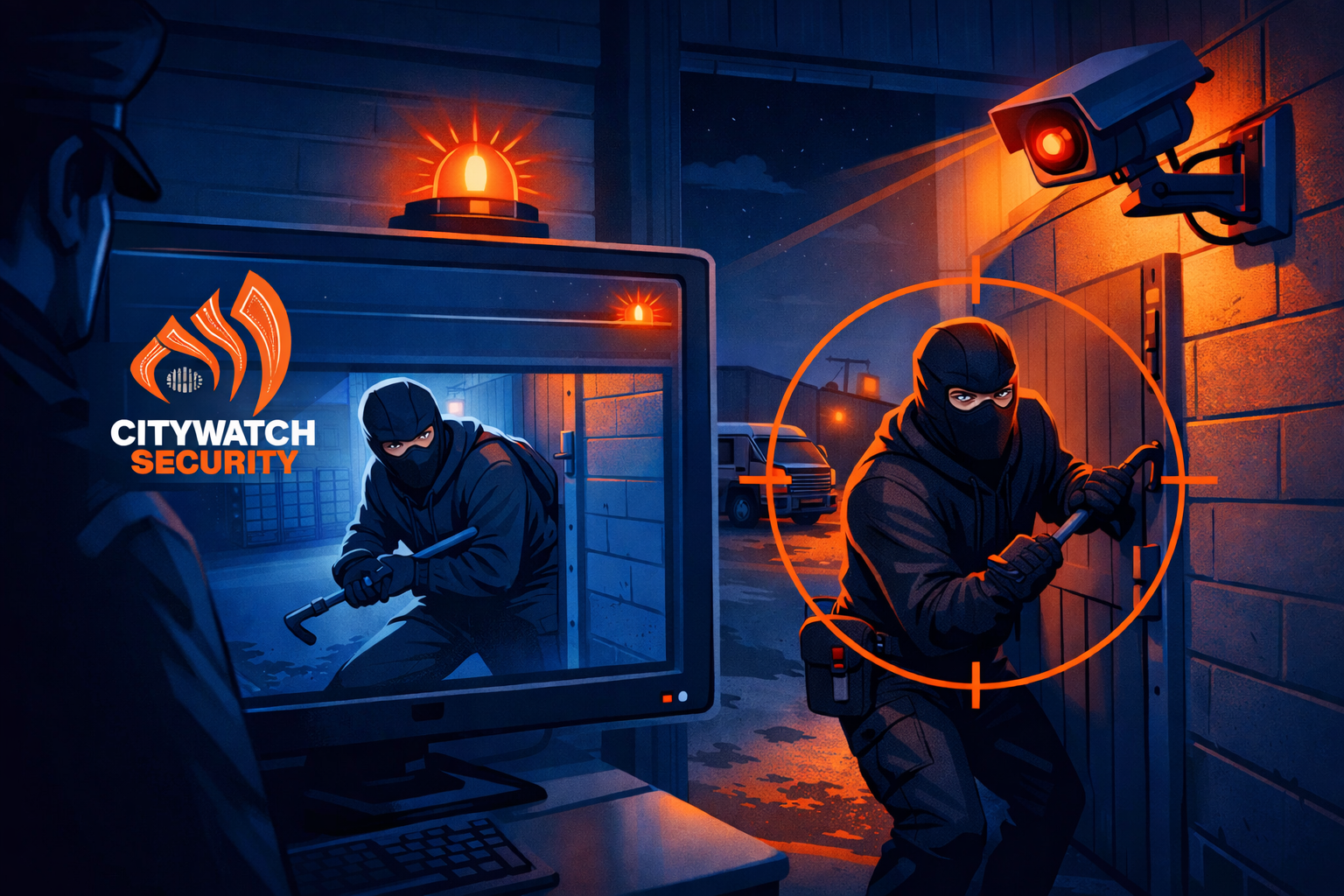
If you’ve spent enough time in this industry, you start to notice patterns. One of the clearest is that losses rarely happen in broad daylight when everyone is watching. They happen after the shift ends, when no one is around.
In Australia today, theft is no longer just a retail issue; it affects the entire supply chain. The latest data from the Australian Bureau of Statistics shows that theft (excluding motor vehicles) hit a 21-year high in 2024, with nearly 600,000 incidents reported nationwide. That’s a 6% increase from the previous year.
While those numbers include shoplifting and petty theft, they show that property crime is rising in all commercial settings. Warehouses and logistics hubs are affected too.
Why After-Hours Is When It Hits Hardest
There are three key reasons losses spike once the sun goes down:
- Reduced Oversight = Opportunity: In the evenings and overnight, site activity slows down, fewer staff are present, and usual controls like supervisors, yard traffic, and forklift movement disappear. Industry analysis shows that thieves often strike when surveillance is least active, usually between 6 p.m. and 6 a.m., taking advantage of slower reporting and response times.
These incidents are not always dramatic break-ins. Often, thieves gain access through weak spots at the perimeter, loading docks, or yards that were not properly secured to begin with. - Internal Vulnerabilities Get Amplified: Not all threats come from outside your property. Industry data shows that internal theft and shrinkage are still major causes of loss. Without a strong security culture, good systems, and clear accountability, these internal risks get worse after hours.
When your team is reduced to just a few people or leaves the site completely, gaps in accountability grow. This creates more chances for theft or collusion. - Underreported Incidents Mask the True Cost: One of the biggest challenges in warehouse security, especially in Australia, is that many incidents are never reported or fixed. A recent survey found that more than a third of workers had seen unreported incidents or near-misses, and a quarter said that reported issues were not properly followed up.
This means the losses you know about might only be a small part of the real problem.
Quantifying the Risk
Cargo theft, including warehouse losses, is still increasing worldwide. Data from international risk trackers show more thefts and new methods that exploit weaknesses in security systems.
In Australia, although detailed national warehouse theft statistics are limited, business crime reports indicate that theft is rising across many sectors, including industrial and storage sites. This national increase means all commercial properties, including warehouses, need to review their security measures.
A Layered Defence: The Only Real Strategy
To be clear, no single tool can stop every threat. You need a layered security strategy designed for after-hours. Here’s what that looks like in practice:
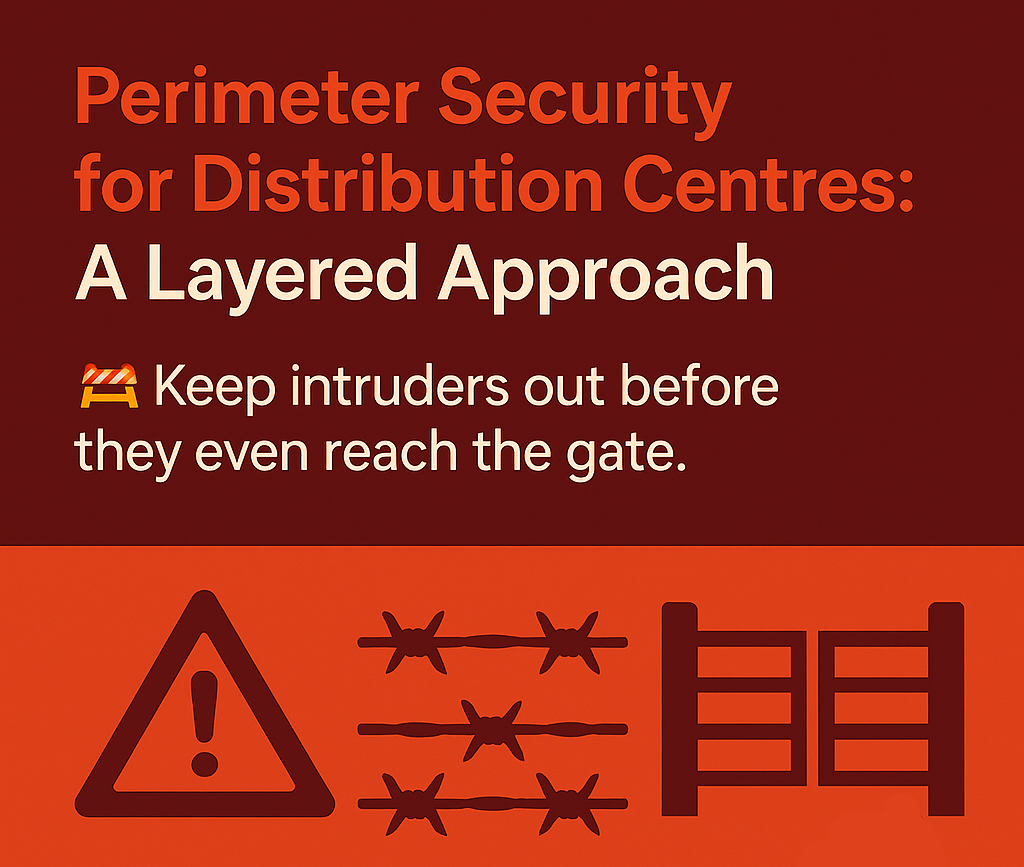
- Perimeter Hardening and Environmental Controls: A poorly lit yard attracts thieves. Smart lighting and monitored perimeter sensors are not just optional—they are essential. Bright, motion-activated lights and fence-line intrusion detection help secure the entry points that thieves often target.
- Intelligent Surveillance With Active Monitoring: Cameras that only record footage do not deter thieves. Modern systems use analytics to spot unusual movement after hours and send real-time alerts to staff or response teams. Don’t just record incidents—take action when they happen.
- Strong Access Control, Especially After Hours:
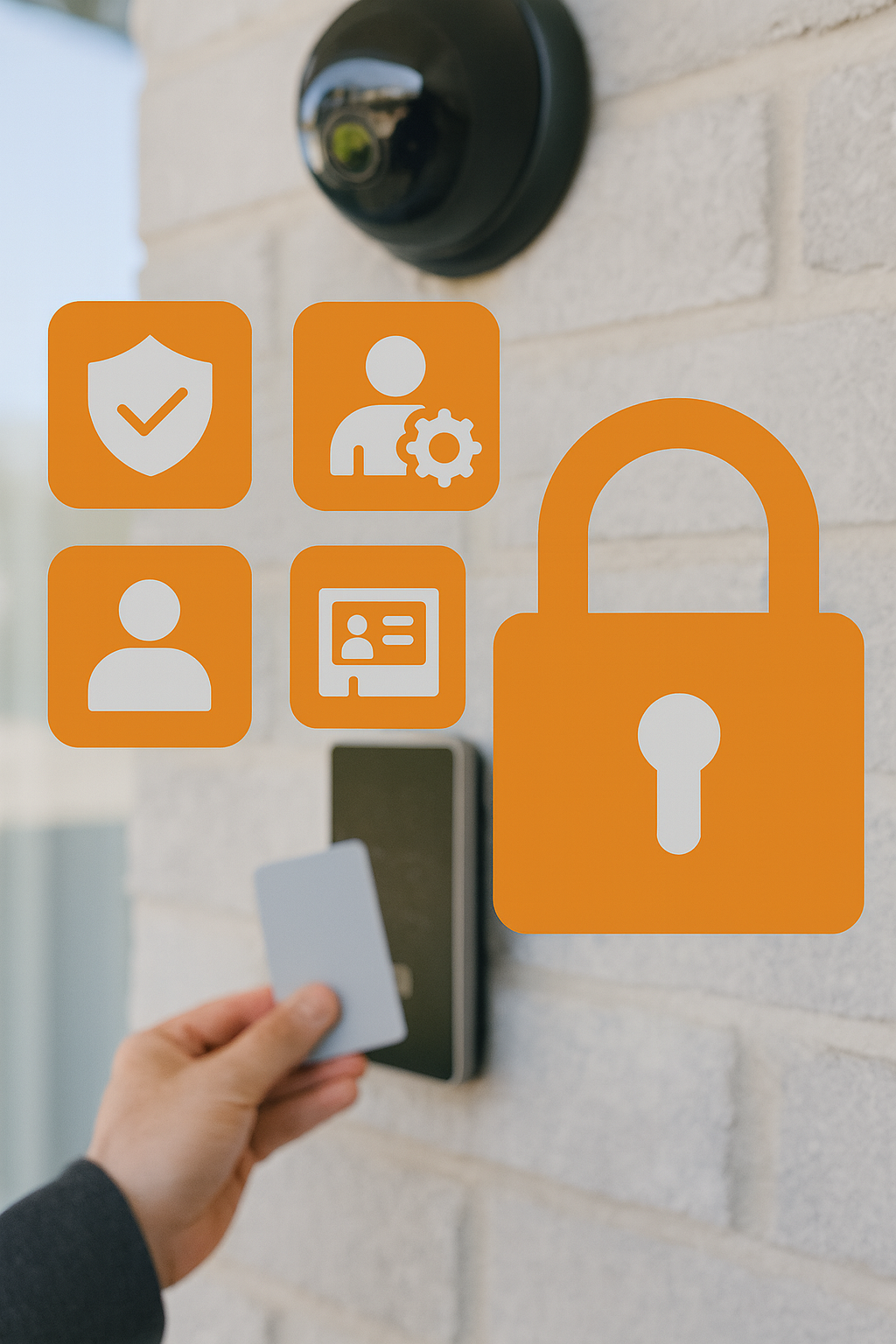
Access control today goes beyond swipe cards.
It includes: - Biometric verification
- Time-restricted entry windows
- Anti-tailgating technology.
These measures ensure that after hours, only authorised personnel can open doors, and that all movements are tracked and reviewed. - Security Personnel: The Human Factor That Matters: Technology is important, but having proactive security staff is also a strong deterrent. Skilled guards who patrol, check access points, and work with remote monitoring make it much less likely that someone will try to break in. In cities like Melbourne and Sydney, dedicated warehouse security services combine patrols, access control, live CCTV monitoring, and alarm response.
- Integration With Inventory and Operational Systems: Locking gates alone won’t prevent inventory loss if your stock system doesn’t quickly spot problems. Linking access logs to inventory changes and surveillance events helps you find suspicious activity faster, which reduces both the time and cost of losses.
Insurance and Compliance: Don’t Skip These
Many carriers and insurers in Australia now consider your security setup when deciding premiums and coverage. Having a monitored, compliant system not only lowers risk, it can also reduce your business costs.
Final Word: Active After-Hours Security Isn’t Optional
Any experienced security professional will tell you that your warehouse is most at risk when people think it is safest.
The numbers in Australia and worldwide support this. Theft and property crime are not static; they are increasing, evolving, and exploiting weaknesses in legacy security models.
The answer is to be proactive, use multiple layers of security, and stay consistent—not passive. Security is not just about recording what happened; it’s about stopping problems before they start. At CityWatch Security, we have worked closely with logistics teams across Australia to strengthen weak points where after-hours losses occur.
In this business, preventing problems is always better than trying to recover from them.
Take the first step to get your site secured, call us on:
(03) 9250 4000